From the Hearken Engineering
Let’s be real: when a control loop starts oscillating, most people blame the software PID settings first. It’s the easy fix. But in my experience, 90% of the time, the problem is mechanical, not digital.
The control valve is the only part of your system that actually moves. It takes the abuse of high pressure, corrosion, and vibration. If you pick the wrong hardware, no amount of software tuning will save the process.
This guide isn’t about complex fluid dynamics theory. It’s about the practical reality of how valves work and how to pick the one that won’t give you a headache later.
Part 1: How Control Valves Actually Work (The Physics)
Forget the textbook definitions. In the field, a control valve has one job: To burn energy.
You cannot control flow without creating a pressure drop (ΔP). The valve restricts the pipe, forcing the fluid to slow down or speed up.
The “Delta P” Reality
ΔP = P1 – P2
Here is the hard truth many engineers miss: If you don’t have enough pressure drop, you don’t have control.
- The Mistake: Engineers often size valves to minimize pressure drop to save energy.
- The Consequence: If the valve creates almost no resistance, it has no “Authority.” The valve will have to close almost 80-90% before the flow actually changes. This makes the loop twitchy and unstable.
Two Field Problems You Will Face
1. Cavitation (Liquids Only) If the pressure drops too low inside the valve, the liquid flashes into vapor. When it hits higher pressure downstream, those bubbles implode. It sounds like gravel rattling in your pipes. It destroys valve trim in weeks.
2. Stiction (The Silent Killer) This is static friction. Usually, it happens because someone over-tightened the packing gland to stop a leak. The valve “sticks” in place, then “jerks” to a new position. Your control line will look like a square wave instead of a smooth curve.

Part 2: The Hardware (What You Are Buying)
When you spec a valve, you are looking at three main parts.
1. The Body (The Housing)
- Globe Valves: The workhorse. The winding internal path kills pressure effectively. Best for precise throttling.
- Ball Valves (V-Port): Not your standard shut-off ball valve. These have a V-notch cut into the ball. Great for “dirty” fluids (slurry/pulp) because the ball shears through fibers.
- Butterfly Valves: Good for big pipes (6″+) and low pressure. They are cheap and light, but harder to control precisely at low flow rates.
2. The Trim (The Guts)
This includes the seat, plug, and stem.
- Standard Trim: Stainless steel (316SS). Good for general use.
- Hardened Trim: Stellite or Tungsten Carbide. Essential if you have flashing or abrasive particles.
- Anti-Cavitation Trim: A cage with hundreds of tiny holes. It breaks one big pressure drop into many small ones to stop noise and damage.
3. The Actuator (The Power)
- Pneumatic Actuators (for Pneumatic Control Valves): The industry favorite. Pneumatic control valves are fast-acting, simple in design, and intrinsically safe (explosion-proof). If air pressure is lost, a spring forces the valve to a safe position (Fail-Open or Fail-Close)—a major safety advantage of pneumatic systems.

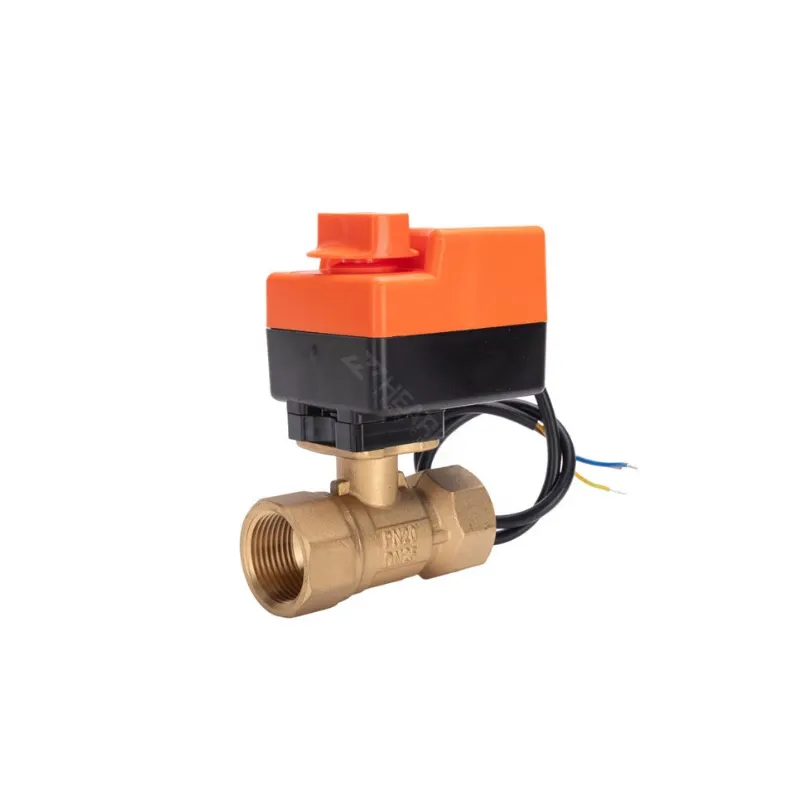
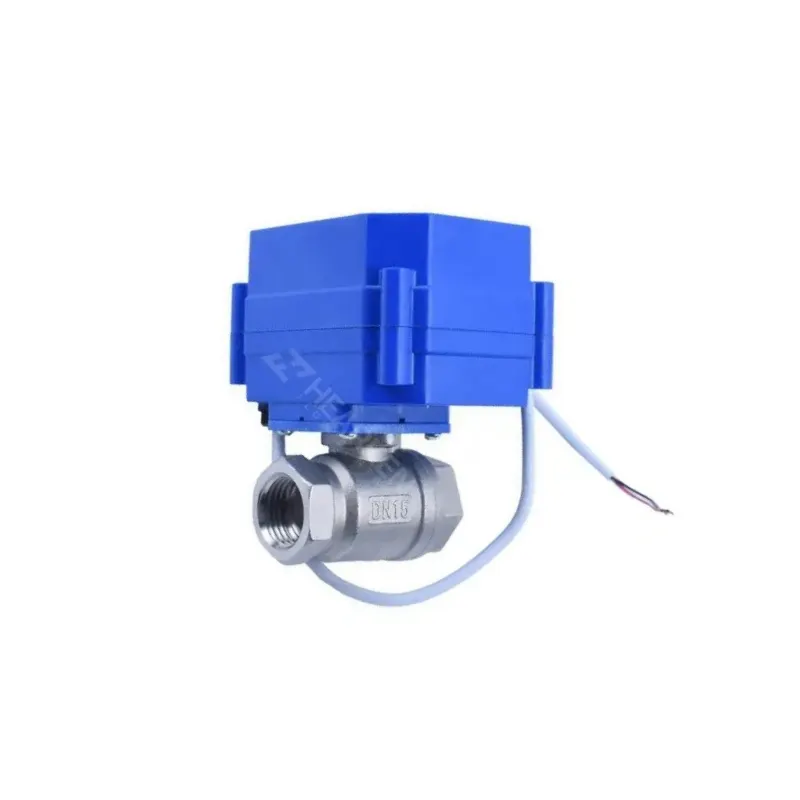
- Electric Actuators (for Electric Control Valves): If your facility lacks an air supply or requires extremely high precision, electric control valves are an excellent choice. They offer precise positioning but are generally slower than pneumatic options.Note: For outdoor applications, always check the electric actuator’s IP rating (waterproof level).

Part 3: Selection Matrix (Cheat Sheet)
I use this logic for 95% of applications.
| Condition | Valve Type | Actuator | Field Note |
| Steam (High Pressure) | Globe | Pneumatic | Must handle thermal expansion. Class IV or V shutoff is needed. |
| Slurry / Dirty Fluids | V-Port Ball | Electric / Piston | The “scissoring” action cuts through solids. Globe valves will clog here. |
| Water / HVAC | Butterfly | Modulating Electric | Cost-effective for large lines. Don’t use for high pressure drop. |
| Chemical Dosing | Low-Flow Globe | Precision Electric | Used when you need tiny Cv (flow coefficients) for exact mixing. |
| Safety Shut-off | Gate/Ball | Spring-Return Pneumatic | Not for control. Strictly for isolation (Open/Close). |
Part 4: Troubleshooting Like a Pro
Before you call the manufacturer, run these checks.
- The 1% Step Test (Check for Friction)
Put the controller in Manual. Change the output by exactly 1%.
- Good Valve: Flow changes immediately and smoothly.
- Bad Valve: Nothing happens… nothing happens… then BANG, the flow jumps 5%.
- Verdict: You have Stiction. Check the air positioner or loosen the packing nuts slightly.
- The “Oversized” Check
Walk out to the line. Look at the valve stem travel indicator.
- Observation: Is the valve trying to control while only 5-10% open?
- Verdict: The valve is too big. The plug is operating too close to the seat, causing high velocity and wire-drawing damage. You need a smaller trim size.

Need Backup? Talk to Hearken.
We know that selecting a valve is stressful because a mistake costs thousands in downtime.
At Hearken, we don’t just sell part numbers. We look at your process data to make sure the valve won’t cavitate, corrode, or fail prematurely. Whether you need a rugged Globe Control Valve for a boiler or a Pneumatic Actuator that survives a chemical plant, we build them to last.
Get the sizing right the first time.
Send us your process conditions, and we will run the calculations for you.