


Decoding the stamped letters on a valve body doesn’t just prevent dangerous pipeline blowouts—it saves you from wasting money on the wrong parts. Understanding valve pressure ratings like WOG, CWP, WSP, and PSI guarantees you choose the exact right valve for your project the first time. In this quick guide, we translate these confusing acronyms so you can buy with confidence, pass safety inspections, and keep your systems running flawlessly without project delays.
What Are Valve Pressure Ratings?
You need to understand valve ratings to build safe pipelines. These numbers show the maximum safe pressure a valve can handle before it breaks.
Here is why you must check these ratings:
- Safety Standards: Organizations like ANSI and ASME set strict limits. Every WOG valve must pass these tests. The same applies when the pipeline has high heat and needs a hot WSP rating.
- Equipment Protection: If your pipeline pressure goes over the limit, the valve will burst.
- Correct Sizing: Ratings help you buy the correct valve sizes.
You will find letters and numbers stamped on the metal valve body. These marks are strict safety limits for different liquids, gases, and temperatures.

What Does WOG Mean on a Valve?
Many buyers ask: what does WOG mean on a valve? It is the most common industry term you will see.
- W.O.G stands for Water, Oil, and Gas.
- The Condition: It shows the highest safe pressure at normal room temperature.
- The Application: It is only for water, oil, and safe (non-combustible) gases.
Quick Answers to Common WOG Questions:
- What does WOG stand for? Water, Oil, and Gas.
- What does WOG mean? It is the core valve meaning standard for cold pressure.
- WOG definition: The standard definition never includes hot steam.
- 600 WOG definition: A 600 WOG valve holds 600 PSI safely in cold conditions.
- What does 600 WOG mean? The 600 WOG meaning is exactly 600 PSI for cold fluids.
- Gross working pressure: When engineers look for the gross working pressure meaning in oil and gas valves, they are usually looking for this WOG limit.
Whether you need gas ball valves, a water ball valve, or basic plumbing ball valves, understanding this rating is your first step.

What Does CWP Mean on a Valve?
You might also ask what does CWP stand for. CWP stands for Cold Working Pressure.
- The Modern Term: Today, the industry uses CWP to replace WOG.
- The Match: The CWP meaning is exactly the same as what WOG means.
- The Temperature: CWP means the pipe environment is between -20°F (-29°C) and 100°F (38°C).
If you buy a 600 CWP ball valve, it is exactly as strong as a 600 WOG valve. The 600 CWP meaning is that it handles 600 PSI (41 Bar) of cold fluid. When buyers ask for the CWP valve meaning, the answer is simple: it only works for cold pipes. A 600 CWP valve will melt and fail if you use it for hot steam.
What Does WSP Mean on a Valve?
Steam is very dangerous. You must be careful. So, what does WSP stand for? It stands for Working Steam Pressure.
- Steam Only: This rating is only for hot steam pipes.
- Lower Limits: Because steam is so hot, a valve’s WSP limit is always much lower than its WOG limit.
- The Danger: The heat softens the plastic sealing parts inside the valve.
For example, a standard valve with a 1000 WOG mark might only have a 150 WSP rating. If you see a 125 class valve for steam, it uses special strong materials. Never use the basic WOG mean limit for a steam pipe.
⚠️ Safety Warning: Never use a valve’s WOG or CWP rating for a steam pipeline. High steam heat easily destroys standard plastic seats. Always check the WSP rating to prevent dangerous leaks.
What Does PSI Mean in Valve Ratings?
You will always see a number before WOG or WSP. This number is the PSI.
- What is PSI?
It means Pounds per Square Inch. It is the standard unit to measure pressure.
- What is PSIG?
If you wonder what the meaning of PSIG is, it simply means PSI Gauge. This is the exact pressure number you see on your factory meter.
- How do you read the numbers?
The number shows your maximum safe pressure. For example:
- A 1000 WOG valve means the limit is 1000 PSI (about 69 Bar).
- Any valve with a 1000 WOG ball valve mark holds 1000 PSI.
- A 400 WOG valve holds 400 PSI.
- A 250 WOG valve holds 250 PSI.
- A 200 WOG valve or a 200 WOG check valve holds 200 PSI.
If you forget the exact WOG meaning, just remember this easy rule: The number on the valve is always your maximum PSI limit.
WOG vs. CWP vs. WSP: What Are the Key Differences?
You must know the differences to buy the right parts. Let us look at WOG vs CWP vs WSP.
Many buyers make a big mistake here. They put a basic valve on a 300 PSI (20 Bar) steam line because they read the WOG valve meaning and think it is safe. They do not know the high heat will break the valve. A normal valve’s WSP limit is only about 25% of its WOG limit.
Look at this simple table to understand:
| Rating Name | What It Means | Temperature Condition | Example Limit (Same Valve) |
| WOG | Water, Oil, Gas | Cold: -20°F to 100°F (-29°C to 38°C) | 600 PSI (41 Bar) |
| CWP | Cold Working Pressure | Cold: -20°F to 100°F (-29°C to 38°C) | 600 PSI (41 Bar) |
| WSP | Working Steam Pressure | Very Hot (Steam) | 150 PSI (10 Bar) |
How Temperature Affects Valve Pressure Ratings
Heat is the biggest enemy of your pipeline. Pressure and temperature work in opposite ways. When your fluid gets hotter, the safe pressure limit goes down.
Why does this happen?
New buyers often ask what ball valves are to learn how they work. Inside a standard WOG ball valve, you will see white plastic rings. These are PTFE seats. They seal the valve to stop leaks. When hot steam touches them, they become soft and weak. They cannot hold the fluid back anymore.
In our 16 years of manufacturing at Hearken, we have seen clients replace burst valves because they forgot this rule. A valve that easily holds 600 PSI in a cold room will break at 300 PSI if the water is boiling hot.
This is why you must understand the WOG vs WSP vs PSI rule. Always find your maximum temperature before you choose your pressure rating.

How to Read Pressure Markings on a Valve Body
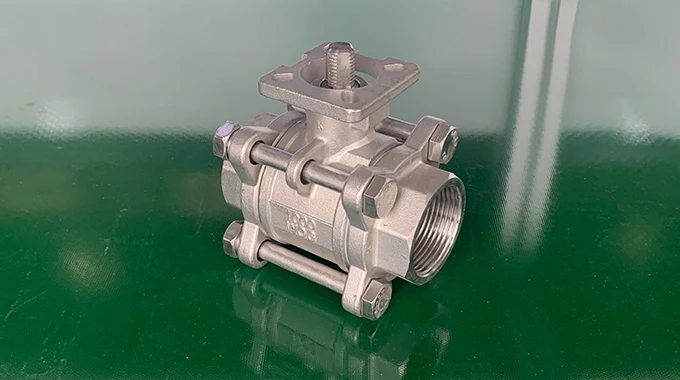
You need to look at the physical metal to know its limits. This process is called valve identification. Good factories use clear valve markings on the body. They follow strict valve labeling standards and valve tagging standards.
Here is how to read them, from top to bottom:
- Brand: The manufacturer’s name.
- Size: You will see the dimension marks like a 1/2 inch ball valve or pipe sizes like a 3/4 inch black pipe or metric DN20.
- Material: You might ask the meaning of WCB in valves. It simply means cast carbon steel.
- Pressure Limits: You will read ball valve markings like 1000 WOG or 150 WSP.
- Tracking: You might find a valve heat number or a valve serial number. Sometimes, a metal valve nameplate gives more details.
Pro Tip: Do not confuse pressure marks with operation marks. You might see O and S on a gas valve body. Those letters just mean Open and Shut. You might know the plumbing symbol for a check valve or the symbol for a ball valve in your valve symbology drawings, but real physical valves use clear text.
Conclusion: How to Choose the Correct Valve Rating
Choosing the right valve is easy if you follow this 3-step checklist:
- Check the Fluid: Are you moving water, oil, gas, or steam?
- Check the Heat: Find the highest working temperature of your pipe.
- Match the Rating: If your pipe is cold, use WOG or CWP numbers. Check a ball valve size chart to find the right dimensions.
Big factory projects might need a Class 150 ball valve, a Class 150 butterfly valve, a Class 150 check valve, a Class 150 gate valve, or a Class 150 plug valve. For simple cold lines, a 200 WOG valve or a gas ball valve is often fine. Use good valve labeling, clear valve tagging methods, and bright water valve markers to keep your workers safe.
Trust Hearken for Reliable Valves
Choosing the right limit is just the first step. You also need a factory you can trust.
- Verified Safety: Hearken makes industrial valves with true, tested pressure limits. Our products have ISO9001, SIL3, ATEX, and CE certificates.
- Massive Stock: We use a smart ERP system to manage a huge stock. We have over 10,000 mini motorized ball valves and 5,000 rack and pinion pneumatic actuators ready today.
- Fast Shipping: We ship standard models straight from our factory in 48 hours to stop your project delays.
Would you like me to help you match the exact Hearken automatic valve for your pipeline’s temperature and pressure needs?
Frequently Asked Questions (FAQ)
- Can I use a WOG or CWP valve for a steam pipeline? No. Never use a WOG or CWP rating for steam. Steam is too hot and will melt the plastic seats (like PTFE) inside a standard valve. You must use a valve with a specific WSP (Working Steam Pressure) rating for any steam line.
- What is the exact difference between 600 WOG and 600 CWP? There is no difference in strength. A 600 WOG valve and a 600 CWP valve mean the exact same thing. They both show the valve can safely hold 600 PSI in cold conditions. CWP is just the modern term replacing WOG.
- If my valve says 1000 WOG, can it hold 1000 PSI at boiling temperatures? No. The 1000 PSI limit is only for cold fluids (usually between -20°F and 100°F). If your fluid gets hotter, the valve material becomes weaker, and the safe pressure limit drops. Always check a pressure-temperature (P-T) chart for hot liquids.
- Does the “G” in WOG mean I can use it for natural gas? Not always. The “Gas” in WOG usually means non-combustible, safe gases (like compressed air) at normal temperatures. If you are moving explosive or flammable gases, you must buy specific gas ball valves that meet local fire safety standards.
- Why does my valve have two numbers, like 600 WOG and 150 WSP? This shows the valve’s limit in two completely different environments. It can easily hold 600 PSI if the water or oil is cold (WOG). However, because high heat weakens the sealing parts, the exact same valve can only hold 150 PSI if you run hot steam (WSP) through it.


